
How to Treat a Dry Socket After Tooth Removal
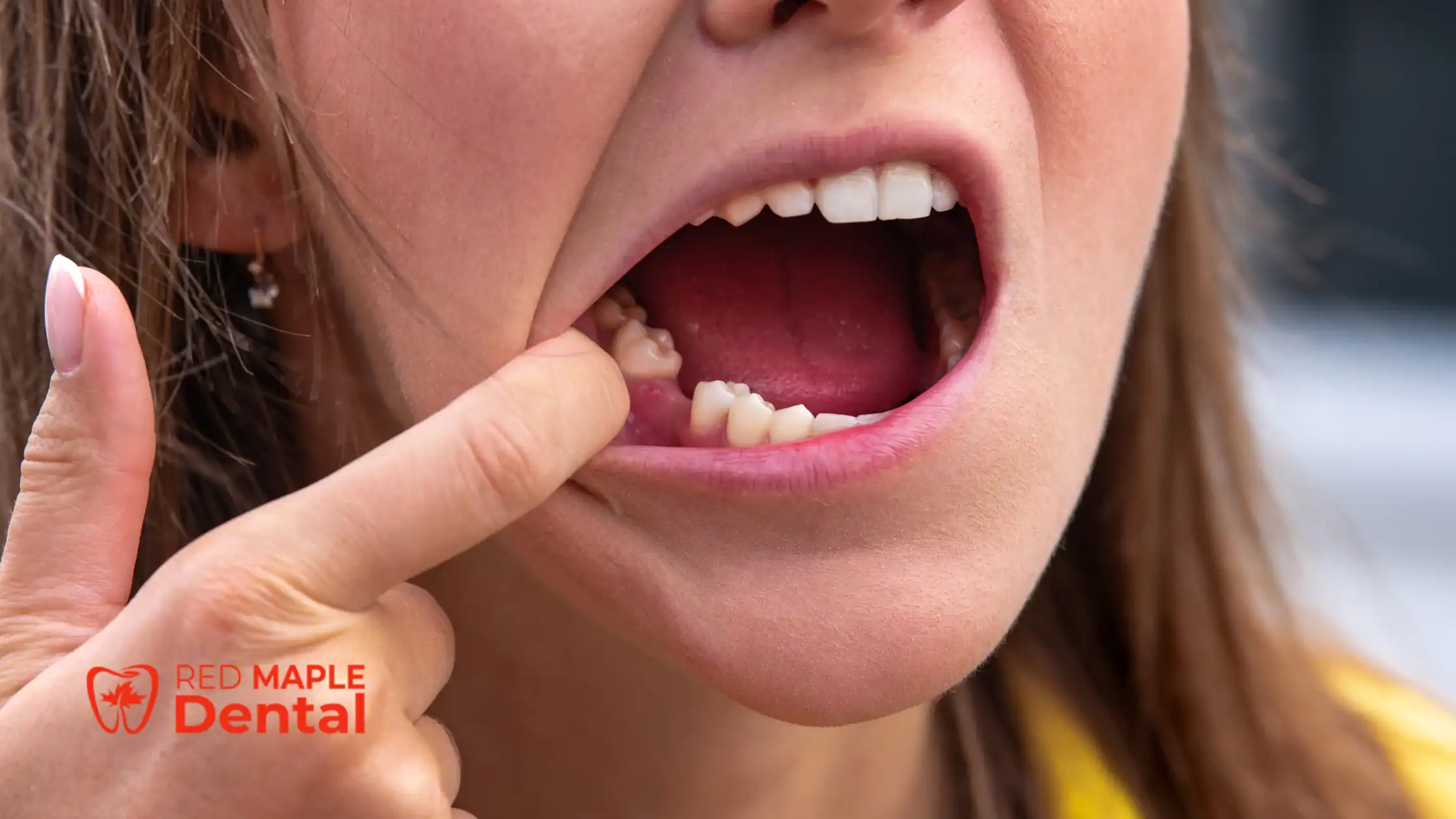
This guide will equip you with imperative steps to effectively manage and treat a dry socket following your tooth extraction. A dry socket can cause significant discomfort and delay healing, but with the right care, you can relieve symptoms and support proper recovery.
You’ll learn about symptom recognition, effective home remedies, and when to seek professional help, ensuring that your healing journey is as smooth as possible. Let’s explore the best practices for addressing this condition and getting back on track.
Key Takeaways:
- Prompt care is essential for relieving dry socket pain and promoting healing.
- Symptoms can be managed with home care and pain relievers, but persistent pain requires dental attention.
- Proper post-extraction care is key to preventing dry socket and ensuring smooth recovery.
Symptoms That Indicate a Dry Socket
Symptoms of a dry socket often appear two to four days after tooth extraction. You may experience sharp pain that radiates to the ear, jaw, or temple.
“Dry socket occurs when the protective blood clot doesn’t correctly form or becomes dislodged after extraction, leaving the bone exposed. This exposure can heighten sensitivity and delay healing.” – Dr. Parul Singh, Dentist in Brampton, ON
A foul taste or odor in the mouth is common and often results from exposed bone where a blood clot failed to form or was dislodged.
Identifying the Signs of Discomfort
Unlike typical post-extraction soreness, dry socket pain is sharp, persistent, and often worsens over time. Eating or drinking may become difficult.
If your pain feels intense or out of proportion to the normal healing process, it may indicate a dry socket.
Understanding the Timeline of Pain
Dry socket pain typically begins 2–4 days after tooth removal. If your discomfort intensifies after the first 48 hours instead of improving, this could be a sign of a dislodged or failed blood clot.
Most patients report worsening pain by the third day, which may radiate to surrounding areas.
Immediate Relief Strategies
To ease discomfort, apply a cold compress to the outside of your cheek for 15–20 minutes several times a day. Eat soft foods, avoid hot liquids, and refrain from using straws or smoking, as suction can further disturb the socket.
Pain Management Options
Over-the-counter pain relievers like ibuprofen or acetaminophen can help reduce inflammation and discomfort. Always follow the dosage instructions and consult your dentist or pharmacist if unsure.
Home Remedies to Alleviate Symptoms
Warm salt water rinses can help clean the socket and reduce bacteria. Rinse gently 2–3 times daily starting 24 hours after extraction. Herbal teas like cooled chamomile may offer mild anti-inflammatory effects, though these are supportive and not a substitute for professional care.
“While saltwater rinses and herbal teas like chamomile can provide temporary relief, they’re best used as supplemental care rather than replacements for professional treatment. Timely intervention is key to avoiding complications.” – Dr. Parul Singh, Dentist in Brampton, ON
Each rinse should be gentle, as vigorous swishing may exacerbate your symptoms. Chamomile tea can be steeped and allowed to cool slightly before sipping; the warmth can provide comfort, while its anti-inflammatory properties may help with pain relief.
Combining these home methods can create a more holistic approach to managing the discomfort of a dry socket.
Professional Treatments and Interventions
If symptoms persist, your dentist may clean the socket and place a medicated dressing—often containing eugenol—to soothe pain and promote healing. Prescription antibiotics or painkillers may occasionally be given if an infection is suspected.
This dressing soothes pain, prevents infection, and encourages tissue regeneration. In some instances, your dentist may prescribe pain medications or antibiotics to further assist in your recovery, ensuring that the healing process goes as smoothly as possible.
When to Consult Your Dentist
If over-the-counter remedies don’t relieve your pain, or you notice a foul smell, unpleasant taste, or visible bone in the socket, contact your dentist promptly. These may be signs of dry sockets or infections requiring clinical treatment.
Preventive Measures After Tooth Removal
Closely follow your dentist’s post-operative instructions. Avoid drinking through straws, smoking, or spitting forcefully.
Keep your head elevated and rest for the first 24 hours. These actions help protect the blood clot and reduce your risk of developing a dry socket.
Best Practices for Post-Extraction Care
Start rinsing with warm salt water 24 hours after extraction to keep the area clean. Use a soft-bristled toothbrush and avoid brushing directly over the socket for a few days. Continue regular brushing and flossing elsewhere in your mouth.
Dietary Considerations to Support Healing
Soft, nutrient-rich foods support healing. Opt for mashed potatoes, yogurt, scrambled eggs, oatmeal, and smoothies. Avoid hot or crunchy foods and don’t use straws.
“Balancing your diet with nutrient-dense options like protein and vitamin C promotes faster healing and reduces inflammation, making recovery more comfortable. Think spinach smoothies or mashed sweet potatoes for a delicious boost.” – Dr. Parul Singh, Dentist in Brampton, ON
Include protein-rich and vitamin C–rich options like fish, spinach, and berries to aid tissue repair and reduce inflammation.
Stick to soft textures to avoid irritation; think blended soups or oatmeal. Also, consider adding anti-inflammatory foods like berries, which can help reduce swelling and discomfort.
This thoughtful dietary approach enhances healing and supports your overall well-being during recovery.
Long-Term Effects and Recovery Insights
Most patients recover fully from dry socket within one to two weeks, though some may experience lingering sensitivity. Following your dentist’s aftercare recommendations and maintaining good oral hygiene will help ensure full recovery of the bone and gum tissue.
What to Expect During the Healing Process
As your gum tissue heals after a dry socket, several stages will mark your recovery journey. Initially, you’ll notice a decline in pain and discomfort with treatment, typically occurring within a few days.
As the socket gradually fills with new tissue and bone, sensitivity might diminish, and your overall oral health will improve. Understanding what to expect can help you manage your anxiety and accurately assess your progress, even though full healing may take several weeks.
Recognizing Complications That May Arise
Monitor for symptoms such as increasing pain, swelling, persistent bleeding, bad taste, or fever. These may indicate infection or complications.
Early recognition and prompt dental care can prevent more serious problems and ensure proper healing.
Conclusion
As a reminder, treating a dry socket after tooth removal involves maintaining proper oral hygiene, managing pain with over-the-counter medications, and following your dentist’s advice for dressing changes. You should ensure you avoid smoking and strenuous activities, as these can hinder healing.
If you notice persistent pain or worsening symptoms, don’t hesitate to contact your dental professional for further guidance. Proper attention and care will support your recovery and help you return to regular activities as soon as possible.
Experiencing Persistent Pain After a Tooth Extraction?
If you suspect a dry socket or are dealing with unusual discomfort, don’t wait it out. The team at Red Maple Dental in Brampton, ON is here to provide fast, effective care to help you heal comfortably.
Contact us today to schedule an appointment and get the relief you deserve.
Reviewed by: Dr. Parul Singh
Ready to book your visit?
Our Brampton team is here seven days a week for your whole family.