
The Role of Interdental Brushes in Oral Care
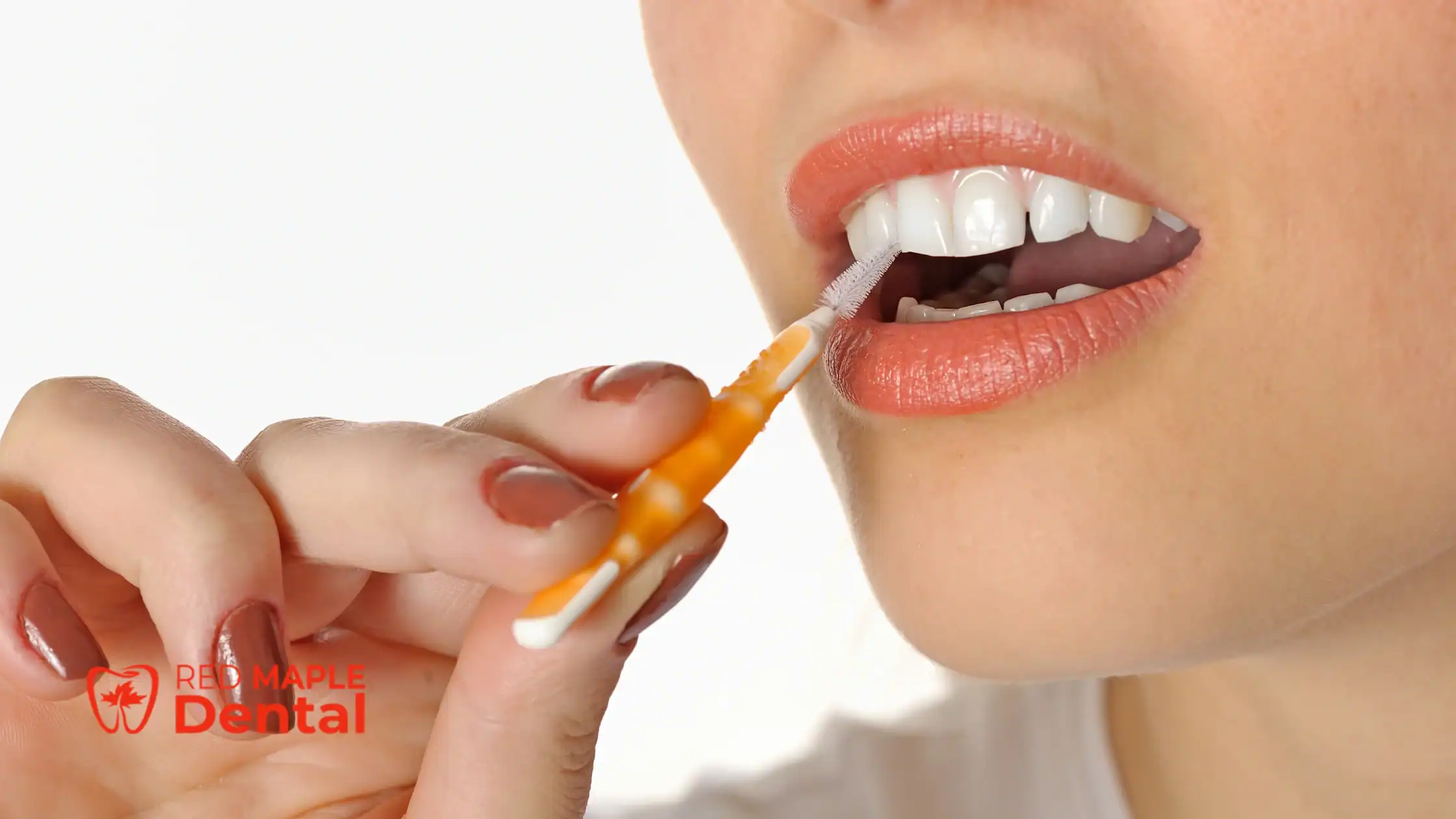
Just as brushing and flossing are essential, adding interdental brushes to your daily routine can further improve your dental hygiene. These small yet effective tools are designed to clean the spaces between your teeth, where traditional brushing and flossing may fall short.
By using interdental brushes regularly, you can reduce plaque buildup, lower the risk of gum disease, and maintain fresher breath. This blog post will explore the benefits of interdental brushes and how you can easily integrate them into your daily oral care regimen.
Key Takeaways:
- Interdental brushes clean between teeth more effectively than floss in numerous instances.
- Choosing the right size and using them gently helps prevent gum damage.
- Regular use helps reduce plaque and prevent gum disease.
Unveiling the Efficacy of Interdental Brushes
Interdental brushes have gained recognition as a powerful ally in maintaining optimal oral health. Designed to clean interdental spaces effectively, these brushes reach areas that traditional toothbrush bristles often miss.
Regular use can significantly reduce plaque buildup, leading to healthier gums and a lower risk of cavities. Their convenience and efficiency make them an excellent addition to your oral hygiene routine.
“Think of interdental brushes as your secret weapon against gum disease—incorporating them even a few times a week can significantly improve your gum health and reduce your risk of cavities.” – Dr. Parul Singh, Dentist in Brampton, ON
The Science of Plaque Removal
Studies suggest that interdental brushes can remove significantly more plaque than floss, especially in individuals with wider interdental spaces. Their design allows for better access to various interdental spaces, accommodating different tooth sizes and positions.
This effectiveness stems from the brushes’ ability to dislodge food particles and biofilm more efficiently due to their bristle configuration and varying sizes. As a result, incorporating interdental brushes into your routine can lead to enhanced gum health and overall oral hygiene.
Comparative Studies: Interdental Brushes vs. Floss
Research investigating the effectiveness of interdental brushes versus traditional dental floss has shown notable advantages. In several clinical trials, those who used interdental brushes experienced reduced gum inflammation and plaque levels compared to those who only flossed.
In fact, findings indicate that many participants found interdental brushes easier to maneuver and more comfortable than floss, contributing to a higher compliance rate in daily oral care routines.
“When tools are comfortable to use, we’re all more likely to stick with them—this makes interdental brushes an excellent choice for ensuring no areas are missed in your daily routine.” – Dr. Parul Singh, Dentist in Brampton, ON
Comparative Effectiveness
| Aspect | Interdental Brushes |
| Plaque Removal Efficiency | More effective at plaque removal, especially in open interdental spaces |
| Ease of Use | Higher compliance due to agility and comfort |
| Gum Health | Reduces inflammation and bleeding significantly |
| Variety of Sizes | Multiple sizes available for different needs |
The advantages of using interdental brushes over dental floss extend beyond just effectiveness. Participants in studies have reported that they are less likely to miss cleaning areas and prefer the experience of brushing to the sometimes tedious process of flossing.
Since interdental brushes are available in various sizes, they can provide a tailored cleaning solution that accommodates your unique dental anatomy. Ultimately, this versatility, coupled with superior plaque removal efficiency, makes interdental brushes an important component in achieving and maintaining optimal oral health.
Navigating the Options: Choosing the Right Interdental Brush
Selecting the ideal interdental brush involves considering factors like size, material, and your specific oral care needs. Each brand may offer a range of features, so it’s crucial to assess your individual needs.
You’ll want to find a balance between effectiveness and comfort, ensuring that your choice promotes good oral hygiene without causing discomfort or injury to your gums. Experimenting with different brushes can help you determine which one suits your mouth best.
Size Matters: Finding the Perfect Fit
The size of your interdental brush significantly impacts its effectiveness. Brushes come in different diameters to accommodate varying spaces between teeth.
To find your fit, start with the smaller size and gradually increase until you find one that easily slides between your teeth without excessive force. Many brands provide a sizing guide or even a set of different sizes, allowing you to explore your options and ensure a thorough clean without risking gum damage.
Material Quality: Nylon vs. Silicone
Choosing the right material for your interdental brush can enhance your cleaning experience and overall oral health. Nylon bristles, commonly found on most brushes, are effective for plaque removal and are more traditional.
On the other hand, silicone bristles offer a gentler option that can be particularly soothing for sensitive gums. Each material also has its durability characteristics, affecting how long the brush lasts and how well it maintains its cleaning efficacy over time.
Nylon bristles are often favored for their stiffness, making them adept at breaking down plaque. Their ability to retain shape allows for thorough cleaning reinforcement.
Conversely, silicone bristles are softer and can provide a gentler experience, beneficial for those with tender gums. They also tend to resist wear and are less likely to harbor bacteria, potentially contributing to a cleaner and more hygienic brushing experience.
Ultimately, the choice between nylon and silicone may come down to personal preference and sensitivity levels during daily use.
Mastering Your Technique: How to Use Interdental Brushes Effectively
Using interdental brushes correctly enhances your oral care routine, ensuring you effectively remove plaque and debris. A proper technique maximizes their benefits, leaving your mouth feeling fresh and clean.
“Start with gentle strokes and the smallest brush size when you’re new to interdental brushes—this helps you ease into the habit without risking gum irritation.” – Dr. Parul Singh, Dentist in Brampton, ON
Familiarizing yourself with the right method enables you to reach those hard-to-access areas between teeth, promoting better overall dental health.
Step-by-Step Guide for Optimal Results
| 1. Choose the right size brush for your gaps. |
| 2. Gently insert the brush between your teeth without forcing it. |
| 3. Move the brush back and forth several times to clean effectively. |
| 4. Rinse the brush after use. |
| 5. Store in a dry place until the next use. |
Common Mistakes to Avoid
Avoiding common errors can enhance the effectiveness of your interdental brushing routine. Misusing brushes may lead to ineffective cleaning or even injury to your gums.
Paying attention to technique and frequency can make a significant difference in your oral health.
For instance, using a brush that is too large for your gaps can cause discomfort or damage your gums, while skipping areas entirely may leave plaque behind. Overly aggressive brushing can also lead to gum irritation.
Implementing a gentle approach while sticking to a consistent schedule ensures that you effectively clean all the interdental spaces without risking injury. Be mindful to keep your brushes clean and replace them regularly, as worn-out tines lose their effectiveness.
Regular practice allows you to refine your technique and achieve optimal results.
Beyond the Basics: Integrating Interdental Brushes into Your Routine
Incorporating interdental brushes into your daily oral care routine can significantly elevate your dental hygiene practices. Incorporate these brushes into your routine after brushing, and consider them a complement to or even an alternative to flossing, depending on your dental needs.
By dedicating just a few extra minutes each day, you can prevent plaque buildup and improve your overall gum health, leading to a brighter smile and fresher breath.
Pairing with Other Oral Hygiene Tools
Interdental brushes work best when combined with other oral hygiene tools. Using them alongside traditional brushing and flossing maximizes plaque removal and promotes a more comprehensive cleaning experience.
Consider supplementing your routine with an antimicrobial mouthwash as well, which can help to further reduce harmful bacteria in your mouth. According to the Canadian Dental Association, using a combination of tools tailored to your oral anatomy can improve long-term outcomes.
Assessing Long-Term Benefits for Gum Health
Long-term use of interdental brushes yields significant benefits for your gum health. Studies indicate that individuals who regularly clean between their teeth have lower incidences of gum disease and better overall periodontal health.
By creating a consistent routine with interdental brushes, you can minimize gum inflammation and recession, ultimately leading to a healthier mouth.
Research shows that regular interdental cleaning significantly lowers the risk of developing gum disease over time. This approach prevents the buildup of plaque and encourages blood circulation in the gums, which is vital for their health.
Regularly using interdental brushes not only improves the aesthetics of your smile but also lays the foundation for long-term oral health, giving you confidence in both your dental care and overall well-being.
Perspectives from Dental Experts: Why Interdental Brushes Matter
Insights from Periodontists
Periodontists emphasize that interdental brushes play a pivotal role in preventing gum disease. According to the Canadian Dental Association, periodontal disease is a leading cause of tooth loss among adults, particularly those over 30.
By effectively removing plaque from interdental spaces, you significantly reduce your risk of inflammation and infections, keeping your gums healthier over time.
Testimonials from Dental Hygienists
Dental hygienists consistently advocate for interdental brushes, citing personal experiences with patients. They note that those who incorporate these tools into their routines often show marked improvements in gum health, with reduced bleeding and plaque accumulation during regular cleanings.
The feedback highlights how interdental brushes serve as an invaluable addition to daily oral hygiene, fostering lasting dental health.
Hygienists frequently share success stories, recounting patients who experienced swift improvements after integrating interdental brushes into their oral care regimens. Some hygienists report noticeable improvements in plaque and gum health after patients begin using interdental brushes consistently.
This transformation reinforces the importance of these brushes in maintaining oral hygiene, as users quickly observe the benefits, ultimately leading to more engaged participation in their dental care.
Conclusion
Incorporating interdental brushes into your oral hygiene routine can significantly improve your dental health by reaching areas that a toothbrush may miss. Suitable for various dental anatomies, they help prevent plaque buildup, reduce the risk of gum disease, and support a cleaner, healthier mouth.
By prioritizing their use, you can help prevent gum disease, cavities, and other oral health issues, ensuring a cleaner and healthier mouth. Make interdental brushes a staple in your daily hygiene practices for optimal results.
Ready to Improve Your Oral Care Routine?Interdental brushes can make a big difference in keeping your teeth and gums healthy—especially when used correctly. If you’re unsure which size or type is right for you, our dental team is here to help.
Contact Red Maple Dental today to book a personalized consultation and get expert guidance on your oral hygiene routine.
Your healthiest smile starts here in Brampton!
Reviewed by: Dr. Parul Singh
Ready to book your visit?
Our Brampton team is here seven days a week for your whole family.